
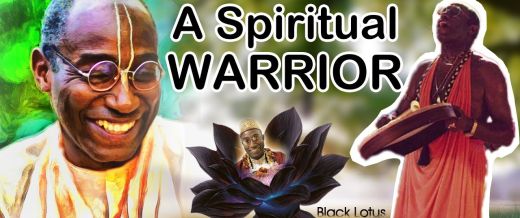
Yesterday we didn’t just remember; we brought alive the life and legacy of Bhakti Tirtha Swami, one of the most impactful leaders in the history of the International Society for Krishna Consciousness. It was not just a formal observance. It felt personal. It felt alive. His presence was deeply felt in the hearts of all the devotees who came together to honor him.
Bhakti Tirtha Swami Maharaj was a disciple of A. C. Bhaktivedanta Swami Prabhupada, and he carried that connection with strength and authenticity. What made him stand out was not only his leadership or scholarship, but his heart. He spoke openly about pain, about struggle, about healing. He addressed issues many were afraid to touch—race, leadership failures, emotional wounds, and the responsibility of spiritual communities to truly care for their members.
In his autobiographical work The Black Lotus, he shares his journey from a challenging childhood in America to becoming a respected spiritual teacher. The book is raw and honest. It shows how spiritual life is not an escape from hardship, but a way to transform it. In Spiritual Warrior, he writes about leadership and integrity, encouraging devotees to confront their own ego, purify their intentions, and serve with courage and compassion.
He consistently emphasized devotee care long before it became widely discussed as a structured initiative. For Maharaj, community development was not about numbers or expansion. It was about relationships. He would say that we must treat one another in such a way that our own spiritual growth feels connected to the growth of the person next to us — that real spiritual life cannot thrive in an atmosphere of neglect or fear. He wanted communities where devotees felt safe, respected, and valued — where honesty was welcomed and healing was possible.
He also played a significant role in developing communities in Africa and other parts of the world, working to empower local leaders and encourage self-sufficiency. He believed leadership meant responsibility, accountability, and service — not control.
Yesterday’s memorial reflected that spirit.
The day began with a procession led by his disciples, well-wishers, and senior sannyasis. The Harinam was joyful and strong, filling the streets with kirtan as devotees walked together. There was something powerful about seeing so many generations united — seniors who had worked alongside him, disciples shaped by his guidance, and younger devotees who know him through his books and stories.
When the procession reached the venue, the program continued with kirtan and heartfelt reflections. Speakers shared personal experiences — how Maharaj corrected them, encouraged them, challenged them, and believed in them. Many spoke about how he made them feel seen. Not managed. Not used. But genuinely seen.
The discussions were long, but no one seemed restless. It felt important to revisit his contributions — his preaching, his writing, his emphasis on accountability in leadership, and his insistence that compassion is not optional in spiritual life.
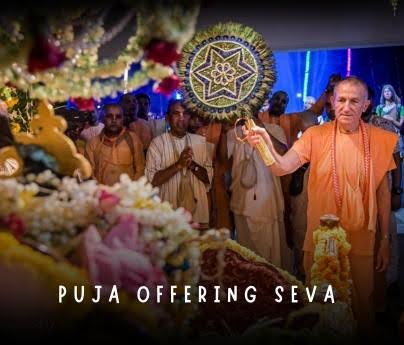
The Pushpa Abhishek was simple but moving. Devotees offered flowers with gratitude. An ecstatic kirtan followed, full of energy and emotion. There were tears, smiles, raised hands, and deep appreciation. It did not feel heavy. It felt grateful.
The day concluded with prasadam, shared conversations, and quiet reflection.
Bhakti Tirtha Swami Maharaj left behind more than books and projects. He left a way of thinking — that spiritual communities must be healthy internally, not just active externally. That real strength includes vulnerability. That leadership requires self-examination. That caring for devotees is not a side topic; it is central.
Yesterday’s memorial showed that his influence is still very much present — not in abstract words, but in the way people continue to try to build communities with more maturity, more responsibility, and more heart.
His Holiness Bhakti Tirtha Swami Maharaj Ki Jai!

In the teachings of Harinama Cintamani, Śrīla Bhaktivinoda Ṭhākura explains that the Holy Name is not different from the Lord Himself. Whether chanted softly on beads as japa or sung together in kīrtana, the Holy Name is complete, spiritual, and full of mercy. By attentive chanting, the heart becomes purified and gradually develops genuine attraction for devotional service.
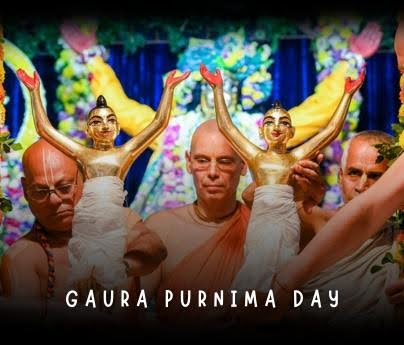
It is in this spirit of chanting and service that the Gaura Pūrṇimā Festival Season has now officially begun in Sri Dham Mayapur.
A Sacred Beginning in Śrī Dhāma
Yesterday, the traditional Garuḍa flag was raised, marking the formal inauguration of the festival season. Each year, this moment signals the beginning of the weeks leading up to Gaura Pūrṇimā, when thousands of devotees and pilgrims from around the world gather in Māyāpur.
This year’s Garuḍa flag was specially handcrafted and painted by the Mayapur Divine Threads team. Their careful and devotional effort added a personal touch to this important annual tradition.
The morning began with darśana-ārati, followed by a procession of His Divine Grace A. C. Bhaktivedanta Swami Prabhupada to the Lotus Park, where the flag-hoisting ceremony took place. Hundreds of devotees assembled for the occasion. The ceremony opened with Swasti-vācana prayers, invoking auspiciousness for the festival period ahead.
With the raising of the flag, the Gaura Pūrṇimā Festival Season was officially declared open.
Honoring the Legacy and Vision
In his opening address, Mayapur’s Co-Director, HG Subhekṣaṇa Prabhu, welcomed the GBC members, sannyāsīs, leaders, and devotees who had gathered for the occasion. He expressed appreciation for the global devotional community that comes together each year to celebrate the appearance of Lord Gaurāṅga.
HH Bhakti Puruṣottama Swami Maharaj reflected on the steady growth of the festival over the years. He spoke about earlier times when attendance was small and how, by the blessings of Śrīla Prabhupāda, the festival gradually expanded into an international gathering. His reflections highlighted how development in Māyāpur has taken place through cooperation, service, and dedication.
HH Lokanātha Swami Maharaj described Māyāpur as a place where devotees from many countries assemble under one spiritual purpose — chanting the Holy Name. He reminded everyone that through nāma (the Holy Name), one becomes connected to dhāma (the Lord’s abode), and that sincere chanting brings one closer to the Lord’s shelter.
Other senior Vaiṣṇavas, including HH Jayapatākā Swami Maharaj, emphasized unity, service, and loving exchanges among devotees. The Temple of the Vedic Planetarium was mentioned as a shared offering of devotion — a collective effort meant to serve Lord Caitanya and fulfill the desire of Śrīla Prabhupāda.
The overall mood of the gathering was one of gratitude and shared responsibility. The festival is not simply a yearly event; it is an opportunity for devotional service centered on the Holy Name.
The Chanting Marathon Begins
As part of the festival’s inauguration, a special book distribution marathon of Sri Caitanya-caritamrita was announced. Devotees were encouraged to distribute transcendental literature widely, helping bring Lord Gaurāṅga’s teachings into more homes.
Śrīla Prabhupāda consistently emphasized that distributing spiritual literature is an extension of kīrtana. In this way, the message of the Holy Name continues to reach people everywhere.
Kīrtana Mela Adhivāsa – Beginning the Evenings of Chanting
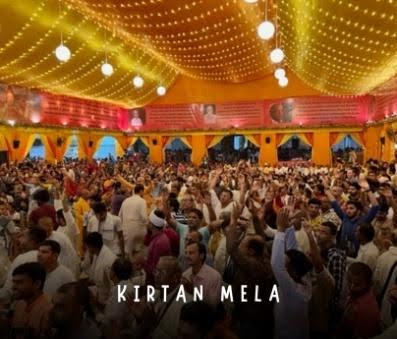
Later in the evening, the Kīrtana Mela Adhivāsa was held, marking the beginning of several days dedicated to congregational chanting.
The temple hall was filled with devotees eager to participate. The program began with Maṅgala-caraṇa and bhajans by HG Sachi Kumar Das, followed by meditative bhajans on the Holy Name by HG Golokanātha Das.
HH Lokanātha Swami Maharaj led a heartfelt bhajan focused on meditation on the Holy Name. HG Subhekṣaṇa Das offered a welcome address, encouraging all participants to engage deeply in the upcoming days of kīrtana.
A meaningful moment of the evening was the worship of the musical instruments, with prayers that every sound produced during the mela would be for the pleasure of the Lordships. HH Candramauli Swami Maharaj then delivered an encouraging and thoughtful address, reminding everyone of the importance of attentive chanting.
The evening also featured a mṛdaṅga presentation and other devotional offerings.
To conclude, HG Kamal Gopal Prabhu led the Adhivāsa Kīrtana. The assembled devotees joined together in chanting the Mahā-mantra, filling the hall with steady and unified sound.
The Holy Name at the Center
As explained in Harināma–cintāmaṇi, the Holy Name reveals Himself to those who chant sincerely and without offense. During Gaura Pūrṇimā in Māyāpur, this principle becomes very practical — thousands chant together, yet each devotee engages personally in remembrance and prayer.
The raising of the Garuḍa flag marks the external beginning of the festival, but it also serves as a reminder of the internal purpose: to strengthen our commitment to chanting and service.
As the flag now waves high above Śrī Dhāma Māyāpur, it silently proclaims:
Chant and be happy.
Serve and be united.
Return to the Holy Name — again and again.

Dear Division and Department Heads,
Please accept my humble obeisances. All glories to Śrīla Prabhupāda.
You are warmly invited to attend the Grand Opening of the TOVP Yajna Shala on Wednesday, February 11, 2026.
This auspicious event will include yajna ceremonies, kirtan, senior devotees’ speeches, cultural programs, and prasadam throughout the day.
Morning Program Highlights
• 7:00 AM – Darshan Arati
• 7:45 AM – Procession to the Yajna Shala
• 8:15–10:00 AM – Speeches by Senior Devotees
• 10:00–10:53 AM – Vastu Puja and Vastu Homa
• 12:00 PM – Purna Huti
• 12:30 PM – Prasadam
Evening Program Highlights
• 4:00 PM – Sankirtan Yajna / Kirtan
• 4:30 PM – Speeches by Sannyasis and Disciples of Śrīla Prabhupāda
• 5:16–5:40 PM – Beginning of Nitya Homa
• Cultural programs, drama, kirtans, and film screening
• 8:30 PM – Prasadam distribution
Your presence will greatly enhance the auspiciousness of this historic occasion. Kindly attend and encourage your team members to participate as well. Please find the detailed schedule attached.
Your servant,
Braja Vilasa Das

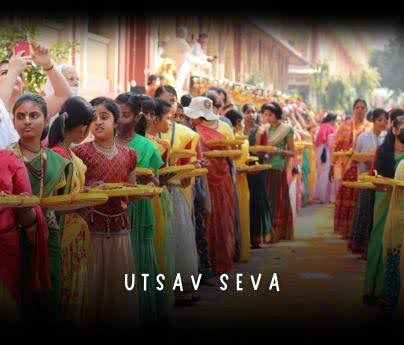
Śravaṇa Utsav is one of the most anticipated spiritual gatherings during the Gaura Pūrṇimā Festival in Mayapur. Taking place just before the main festival days, it gently ushers devotees into the festive mood by immersing everyone in the nectar of hearing, association, and reflection.
Held over three days, Śravaṇa Utsav 2026 brings together 21 senior Vaiṣṇava speakers, offering one blissful ocean of hari-kathā. The festival is designed to help devotees step away from the noise of daily life and reconnect with the heart of devotional practice through Vaiṣṇava-saṅga.
Theme: “Vaishnava Ke?”
This year’s theme invites deep introspection into what it truly means to be a Vaiṣṇava—not only in philosophy, but in behavior, relationships, and daily practice.
Topics include:
Sensitivity in Vaiṣṇava dealings
Vaiṣṇava tolerance
Art of living and leaving
Performing sādhana in saṅga
“Devotees are my heart and soul”
And many more nectarean topics
Each session is carefully curated to address both the inner cultivation of devotion and the practical application of Vaiṣṇava values in community life.
Senior Speakers
Devotees will have the rare opportunity to hear from many respected and seasoned Vaiṣṇavas who have shaped the ISKCON community through decades of service and realization, including:
HH Jayapatākā Swami
HH Subhāga Swami
HG Anuttama Dāsa
HH Bhakti Dhīra Dāmodara Swami
HH Haladhara Swami
HG Rukmiṇī Kṛṣṇa Dāsa
And many more
Each speaker brings a unique depth of realization, offering heartfelt insights rooted in lived experience and deep faith.
Event Details
Dates: February 10–12, 2026
Venue: Festival Pandal, Mayapur
Live Broadcast: Mayapur TV
Languages: Bilingual lectures (English & Hindi) with live cross-translation
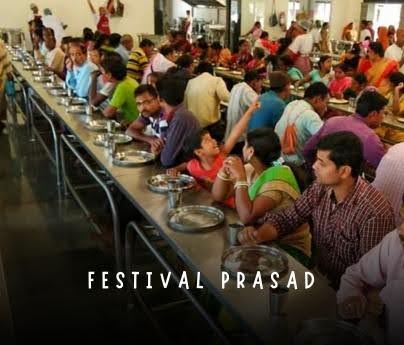
Prasādam: Lunch and evening prasādam provided
A Spiritual Prelude to Gaura Pūrṇimā
Śravaṇa Utsav sets the spiritual tone for the entire Gaura Pūrṇimā Festival. Through attentive hearing and association, devotees gradually become absorbed in the devotional mood, making the heart receptive to the mercy that flows during Lord Caitanya Mahāprabhu’s appearance celebrations.
More than a series of lectures, Śravaṇa Utsav is an experience of connection—to the devotees, to the teachings, and to the spirit of bhakti itself. It gently immerses everyone in the nectar of the festive period, preparing the heart for the deeper celebrations to follow.